Home care services
Every person we support has a care plan built around their needs, so no two packages look the same. Some people want a short visit each morning. Others need help several times a day. Below is everything we can help with. Most people use a combination.

Personal care at home
Help with the most personal parts of the day, given with patience, privacy and respect. Our carers support people to wash, dress and get ready the way they always have, so they can stay in their own home with their dignity intact.
What's included
Your routine, your way
At your home visit we write down how you like things done: bath or shower, the order you get dressed, the toiletries you use. Many people prefer a carer of the same sex for personal care, and we record and respect that. Visits usually last 30 to 60 minutes. We don't do rushed 15-minute personal care visits.

Medication support at home
Missed or doubled doses are one of the most common reasons older people end up in hospital. Our trained carers help people take the right medicine at the right time, and keep a written record of every dose.
What's included
How we keep it safe
Every carer who handles medicines is trained and assessed as competent first. Wherever possible, we help people stay in control of their own medicines. Our carers do not give injections. District nurses do, and we work alongside them.

Companionship care
Loneliness can affect health as much as any physical condition. Our companionship visits give people someone to talk to, go out with and look forward to seeing, from a carer who becomes a familiar face.
What's included
Who it helps
People who live alone, have lost a partner, or whose family lives far away. It also suits people who are mostly independent but have lost confidence going out on their own. Visits can be weekly or daily, booked on their own or added to personal care.

Dementia care at home
For someone living with dementia, home is full of things that make sense: their chair, their photos, the route to the kitchen. Our dementia care helps people stay in those familiar surroundings for as long as it's safe, with carers who understand that the condition affects each person differently.
What's included
Choice, consent and family support
A diagnosis of dementia does not mean someone can't make their own decisions. We follow the Mental Capacity Act 2005 and support people to make every choice they can. We keep you updated after visits, tell you about changes we notice, and can point you to local dementia support in Hounslow and Ealing.

Respite care at home
Looking after someone you love is hard work, and everyone needs a break. Our respite care steps in so you can rest, go on holiday or deal with your own health, knowing your relative is looked after at home.
What's included
The same standard of care
Respite uses the same assessment and care planning as all our services. Your relative gets the same standard of care for a week as they would for a year. Family carers can also ask the council for a carer's assessment, which may lead to funded breaks.

Coming home from hospital
The first few days after a hospital stay are when people are most likely to fall or be readmitted. Our hospital-to-home support helps people settle back in safely, regain confidence and recover at their own pace.
What's included
For discharge teams and social workers
We accept referrals from hospital discharge teams, social workers and GPs across Brentford, Hounslow and Ealing. Email enquiries@lighterhouse.co.uk with "Referral" in the subject line, or call 0330 043 2864. We aim to assess within 24 to 48 hours and confirm a start date the same day.
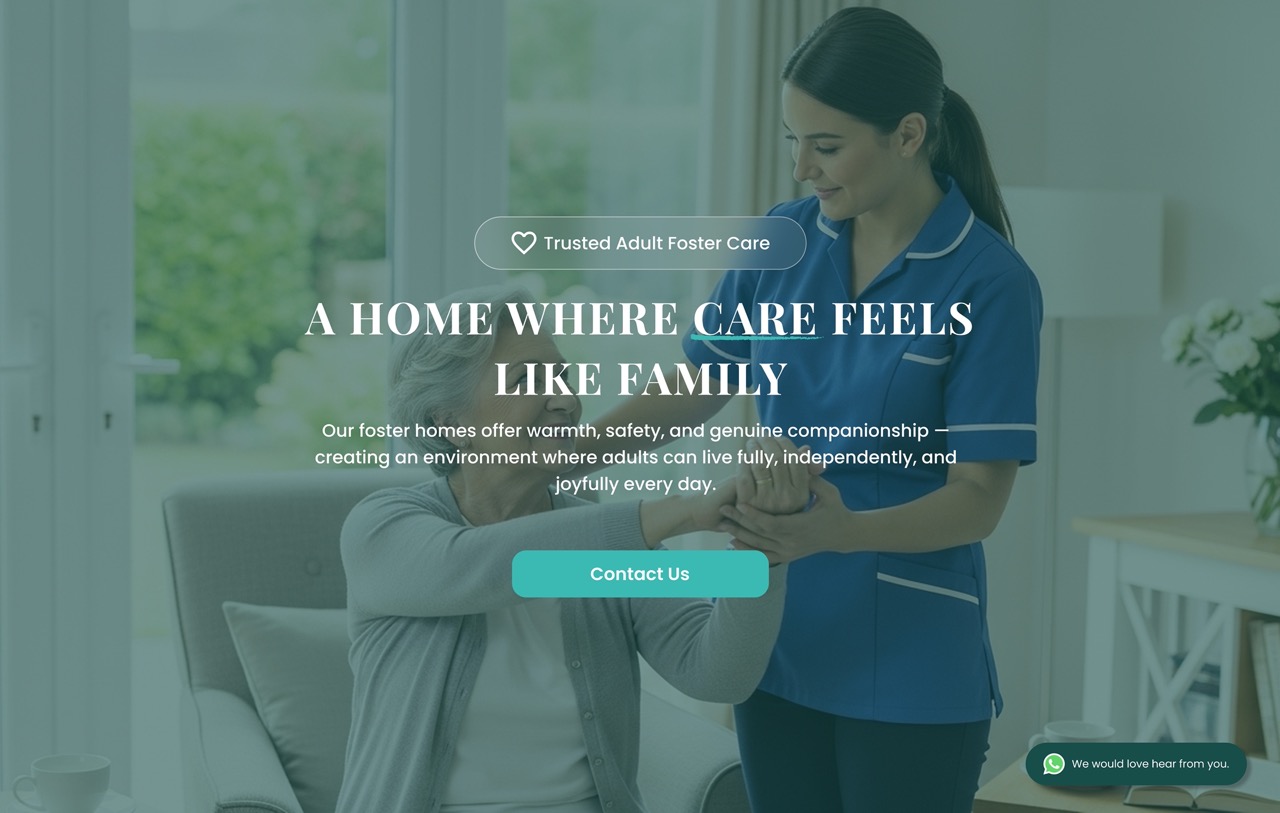
Meals and help around the home
Eating well and keeping the house in order make a big difference to how someone feels. Our carers help with the everyday jobs that have become harder, from cooking a hot meal to changing the bed.
What's included
Small jobs, big difference
A warm meal, clean sheets and a tidy kitchen help people feel like themselves. We fit these jobs around personal care visits or book them on their own, whichever suits you.
Paying for home care
Most families want to know about cost before anything else. Here is what we charge, and the main ways care at home can be funded in England.
Our prices
| Visit type | Price |
|---|---|
| Weekday hourly rate | £[RATE] per hour |
| 30-minute visit | £[RATE] |
| Evenings and weekends | £[RATE] per hour |
| Bank holidays | £[RATE] per hour |
The home visit and care plan are free. There are no joining fees.
Paying for care yourself
If you arrange and pay for care privately, you deal with us directly. You choose your visit times, can change your package easily and can start quickly. We invoice [INVOICE FREQUENCY] in arrears.
Help from the council
Anyone who seems to need care can ask their local council for a free needs assessment. In England, if your savings are over £23,250 you will usually pay the full cost. Between £14,250 and £23,250 you pay a contribution, and under £14,250 you pay only what you can afford from your income. For care at home, the value of your house is not counted. If the council funds your care, you can take it as a direct payment and choose Lighter House.
Other help with costs
- Attendance Allowance: for people over State Pension age who need help with personal care. It isn't means-tested.
- NHS Continuing Healthcare: if someone's needs are mainly health needs, the NHS may pay in full. Ask the GP or hospital team.
- Carer's assessment: if you look after a family member, the council may offer support such as funded respite breaks.
Small print: This is general guidance, not financial advice. Rules can change. For independent advice, contact Age UK or a financial adviser accredited by the Society of Later Life Advisers.